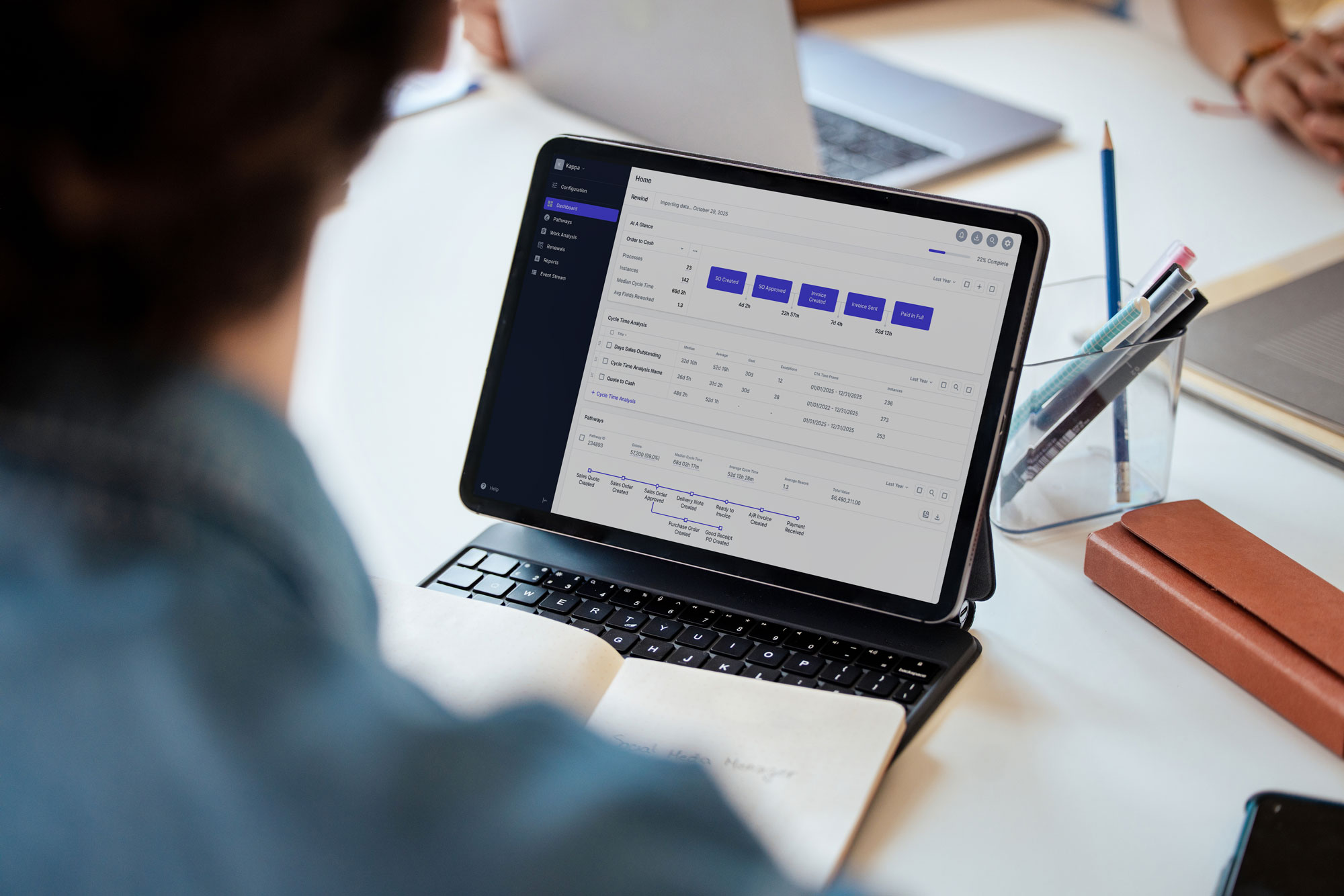

You can’t manage what you can’t see
Exit readiness depends on three operating strategies, but they all break down when the underlying data is fragmented across portfolio companies.
Growth & retention
Retention isn't hitting targets, but the drivers are buried across portfolio company systems.
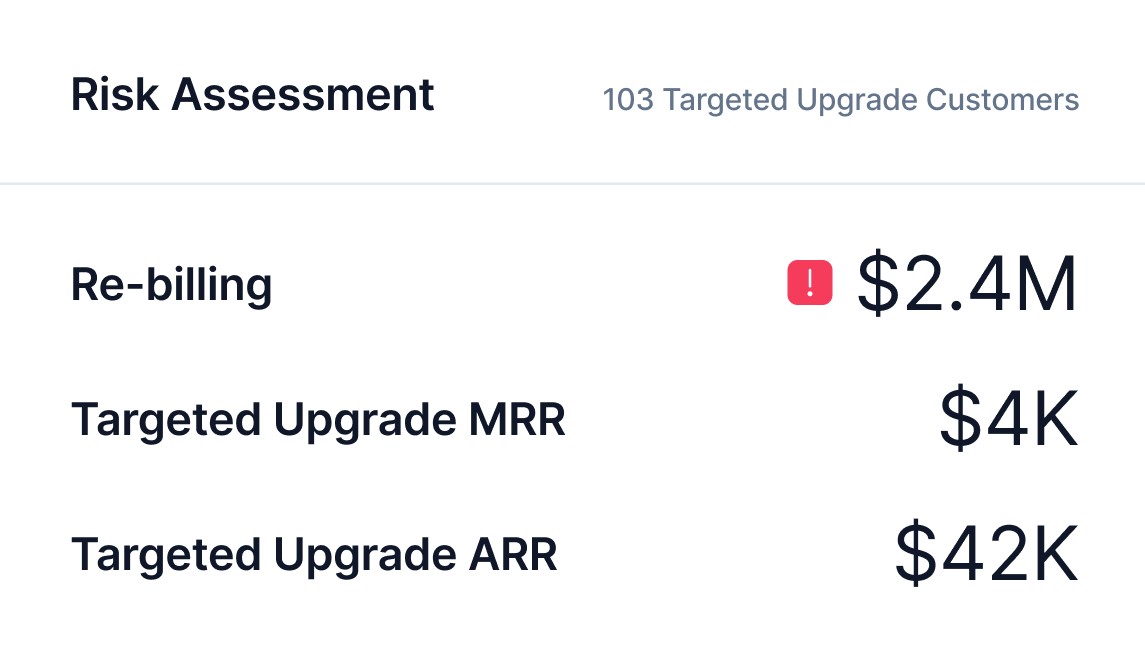
A company reports a churn miss at IC, and no one saw it coming. There was no cross-portfolio view of customer risk.
ICP was built during diligence on who closed, not validated against who actually retained and expanded.
Renewal forecasts outside the current quarter are unreliable because each company tracks retention differently.
EBITDA maximization
There's a gap between what's booked, billed, and collected, but no one can quantify it cleanly across entities.
Leadership suspects leakage tied to poor system integration, but each company's CRM and ERP tell a different story.
Revenue doesn't reconcile to the forecast, and the operating team doesn't have the instrumentation to pinpoint where it falls apart before the board asks.
Cash conversion delays compound across the portfolio but manifest differently at each company, making it hard to prioritize where to deploy operating bandwidth first.
Board-level alignment
Every portfolio company reports differently, which means every investment committee review starts with a debate about the numbers instead of a decision about the business.
At each company, FP&A spends more time building the pack than analyzing what's in it.
ARR, GRR, and NRR definitions vary across entities, so the portfolio-level view is stitched together manually and breaks under scrutiny.
The same data questions repeat every board cycle because there's no standardized operating layer to answer them once.

The tools are there. The connected view isn’t.
Fund operators aren't starting from zero. There are tools, teams, and projects in play across every portfolio company, but none provide an end-to-end operating view across the portfolio.
Point solutions by function (CS tools, sales tools, finance tools) each address a slice of one company's problem.
BI dashboards and spreadsheets are stitched across systems, but metrics don't reconcile across entities.
Consultant-led analyses answer a question at a point in time, then go stale before the next Investment Committee review.
The result is the same every cycle: answers are slow to produce, hard to defend, and difficult to compare across the portfolio.
One operating layer across the portfolio
Chassi creates a single operating layer across your portfolio companies that ties customer risk and operational velocity to financial outcomes. Built from as-is data, standardized across entities, and delivered in days.
Connects directly to systems of record across each portfolio company. No cleanup required, no system changes.
Uses machine learning to create a shared operating context that links operational velocity to financial outcomes.
Standardizes definitions and metrics across entities so comparisons hold and reporting is defensible.
Works across the full investment lifecycle, from diligence and first 100 days through M&A integration and exit readiness.
The view is defensible, not debatable. And it stays current as the business moves.

Best places to start:
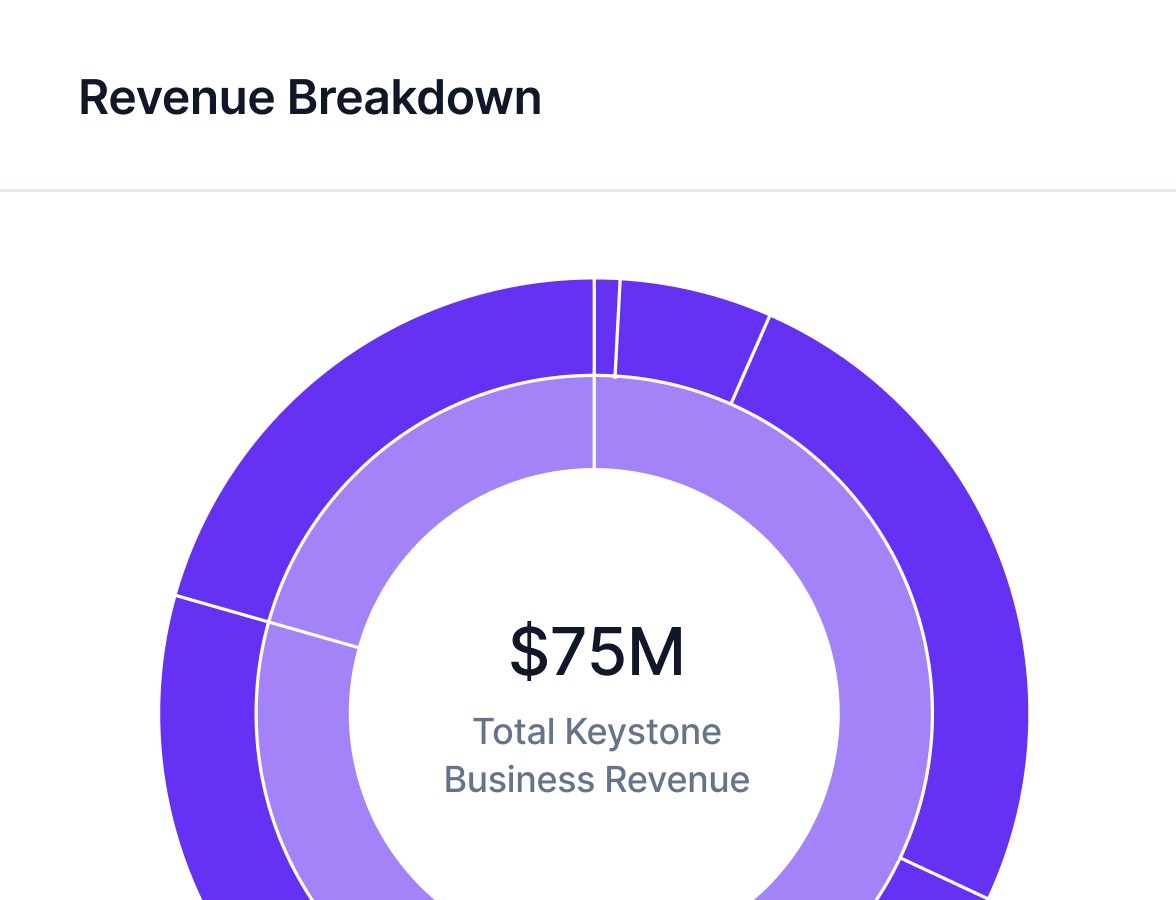
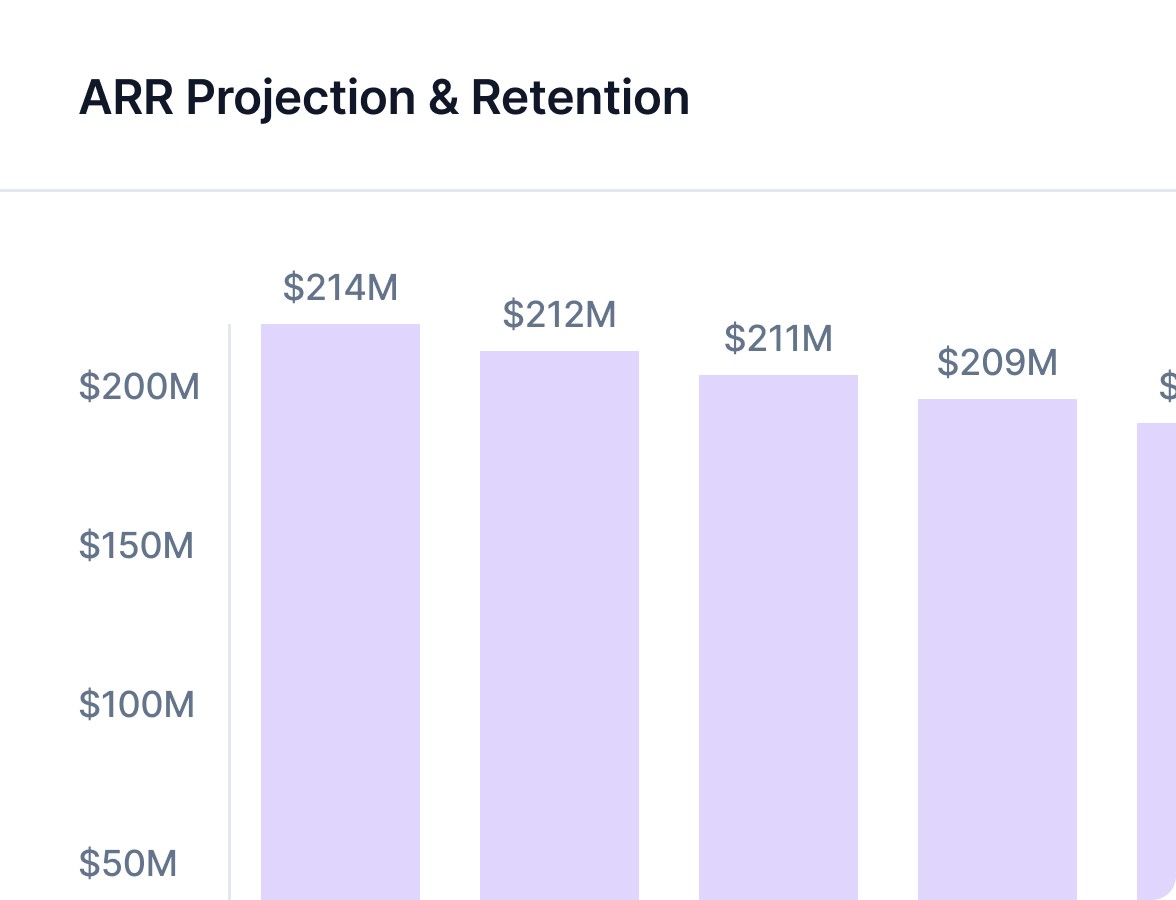
If board reporting takes too long or the numbers shift every time someone asks a follow-up, start here. Snowball automates ARR reconciliation at the customer level with standardized definitions across entities, so Investment Committee reporting stays current and segmentable without the manual prep.
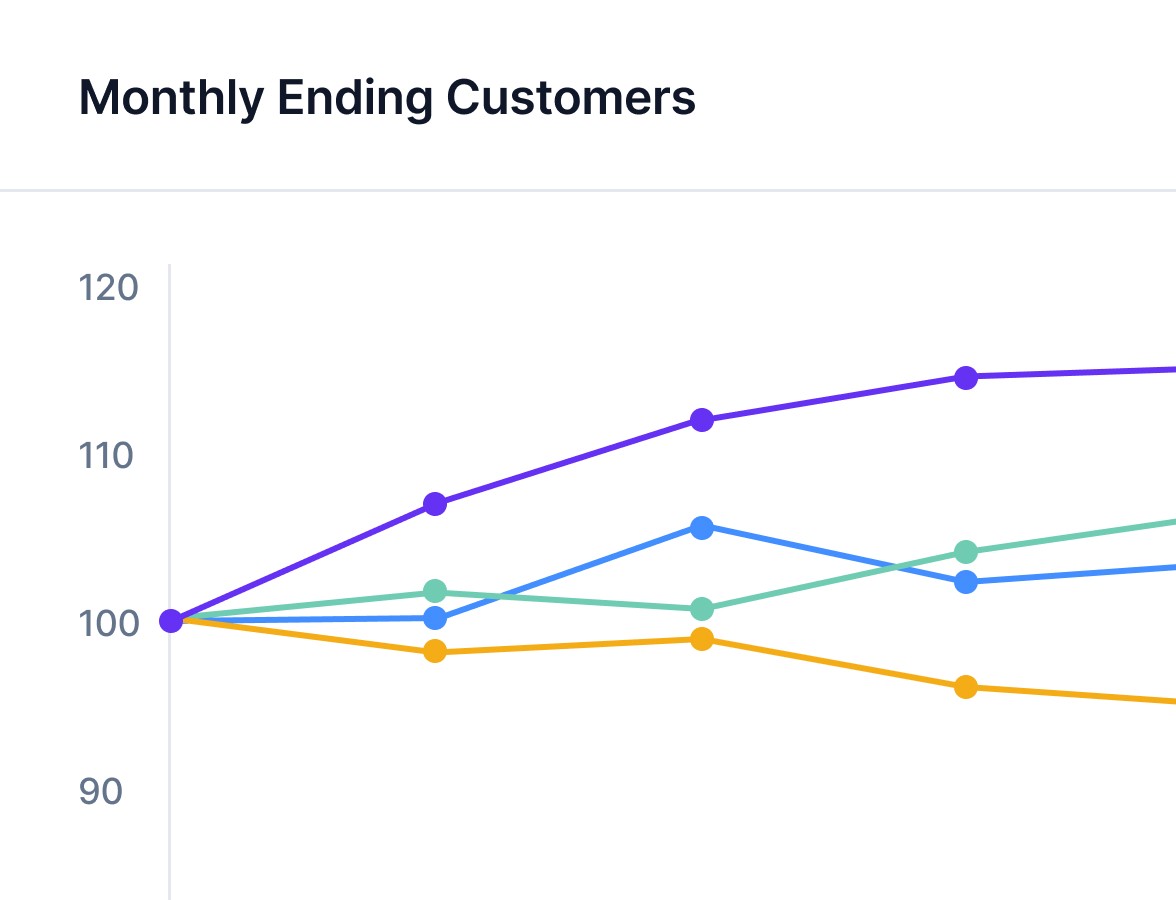
Most portfolio companies have a gap between what's booked, billed, and collected. Revenue Leakage quantifies that gap at the line-item level, surfaces underbilling, missed uplifts, and process errors, and delivers a prioritized recovery plan ranked by cash impact.
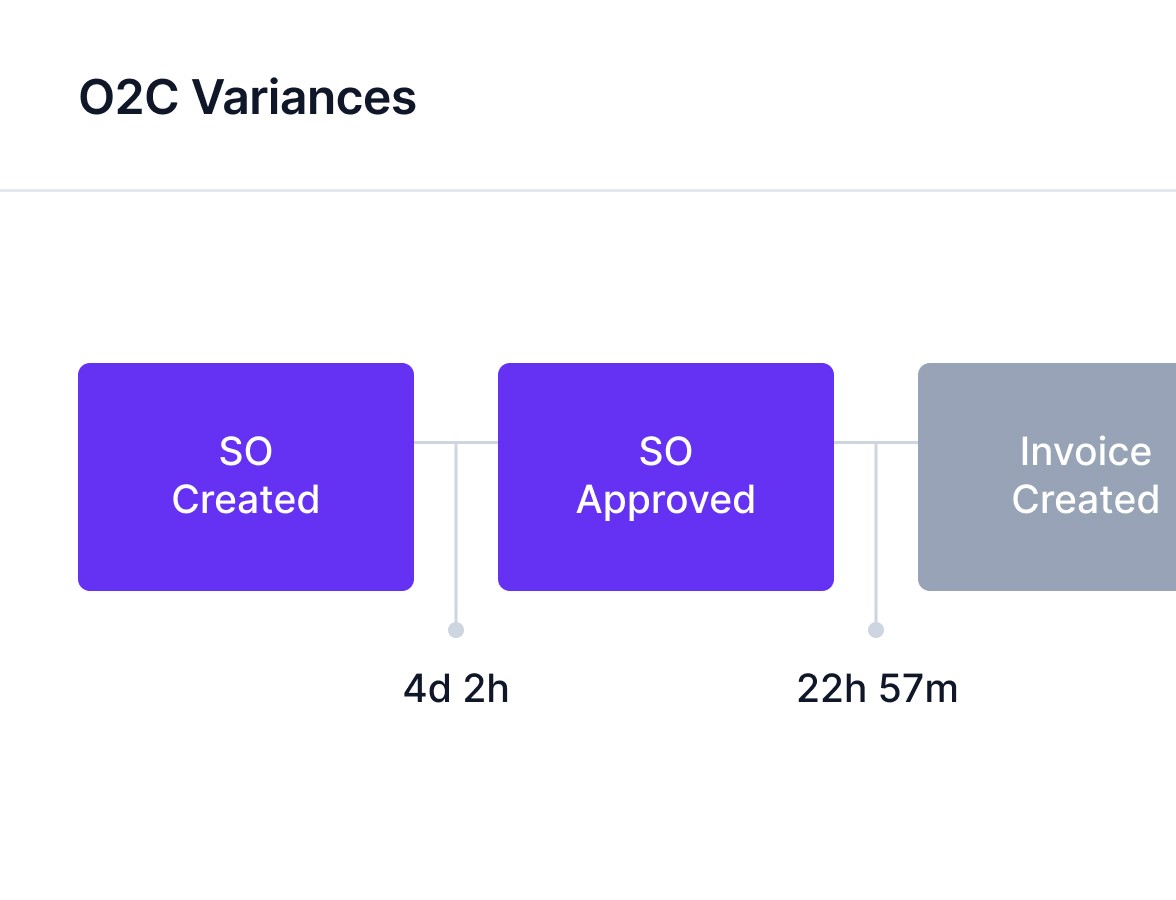
Cash gets stuck in process bottlenecks that are hard to see without instrumentation. This assessment maps every step in O2C and P2P, models the impact of specific improvements through a DSO Simulator, and ranks findings by cash value so operating teams know exactly where to focus.
Additional solutions to explore:
Churn surprises and missed expansion opportunities are often the result of ICP that was never validated against actual retention data. Customer Analytics predicts churn, revalidates ICP, and delivers a ranked account list built from the full customer journey across CRM, ERP, and product usage.
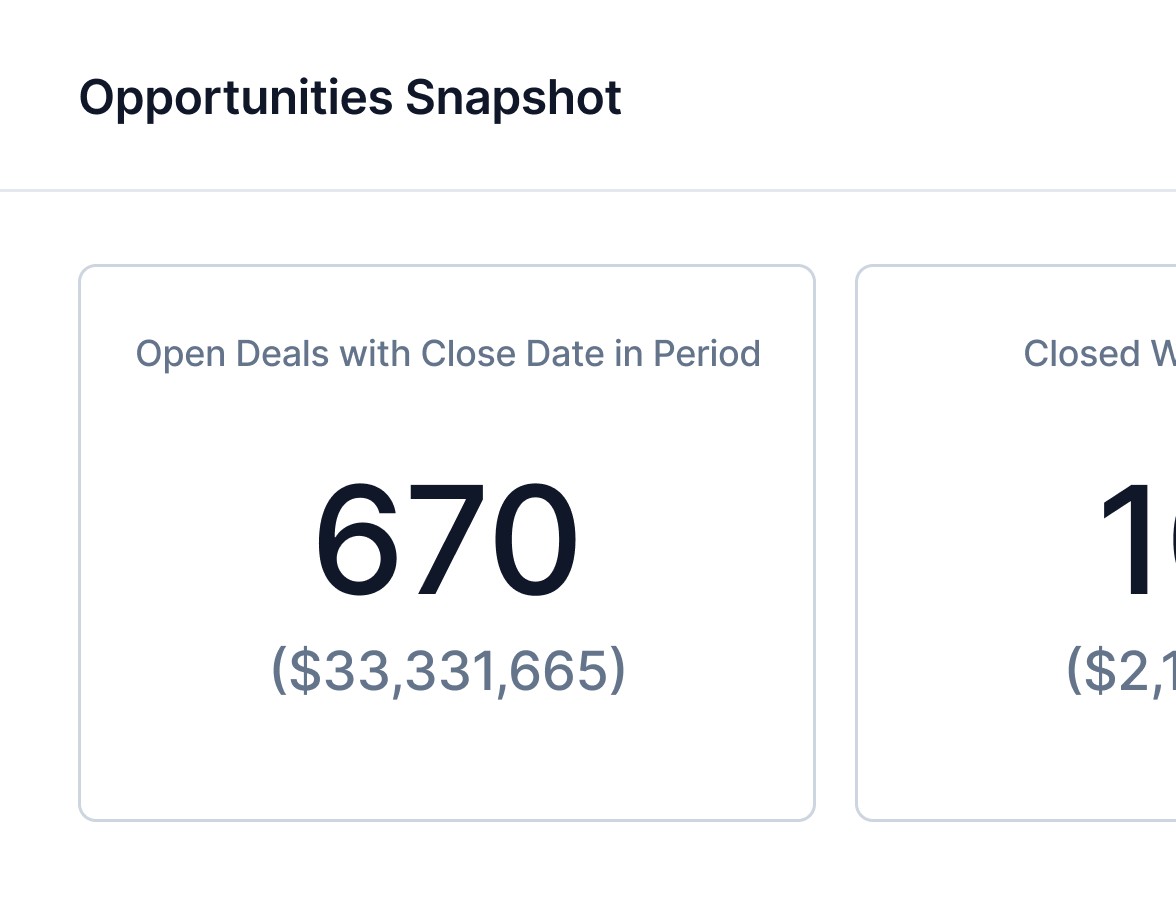
When new customer acquisition stalls, the root cause is usually buried in conversion data that no one consistently tracks. Pipeline Velocity gives you continuous visibility into stage-to-stage conversion, segmented by business unit, industry, and rep, so funnel gaps surface before they hit the forecast.


"Chassi provided us with a bottom-up analysis of why our customers churned, the profitable partners that we should focus on, and the customer segments that define our ICP."
Chat Hensley
CFO, Employ
Why operating partners choose Chassi
One operating layer that works across your entire portfolio.
Comparable metrics across every entity. Investment Committee reviews become about decisions, not data debates.
Built from as-is data with read-only connections. No cleanup, no system changes, and minimal time from your team.
Every number traces from booked to billed to paid, which means the value creation story holds up under scrutiny.
Findings surface in days, not months, so they can act while the problem is still current.
See what’s hiding in your portfolio data
See how Chassi surfaces what’s driving performance, where value is being lost, and what to fix first across the priorities your fund is measured on.