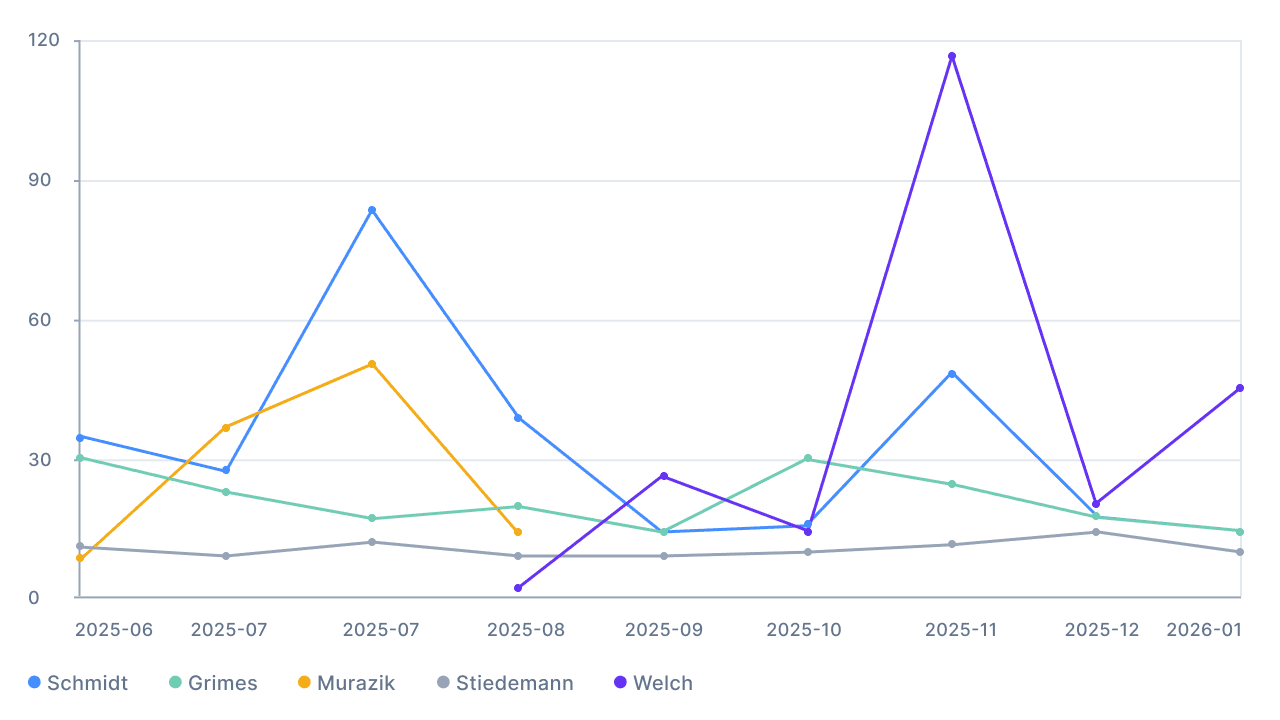


Revenue leaks and cash gets stuck. The root cause is the same.
The path from contract to cash touches dozens of systems, teams, and process steps. Without end-to-end visibility into that path, gaps compound quietly.
Contract amendments and pricing overrides don't always make it into billing accurately. The CRM says one thing, the ERP says another, and the variance goes unnoticed until someone reconciles by hand.
Uplift clauses trigger at the wrong rate or don't trigger at all. Unbilled line items accumulate. Credit memos net out cleanly in aggregate but mask policy problems underneath.
Invoicing lags inflate DSO. Approval chains add days. Net 30 payables get paid early. Each one is small. Together, they trap significant working capital.
Process steps vary by region, entity, or product line, so bottlenecks are impossible to benchmark or prioritize without step-level instrumentation.
The result is the same: EBITDA erodes in places that standard reporting doesn't reach, and the finance team can feel it but can't size it.
How do you know you have an EBITDA problem?
These are the signals that revenue leakage and cash conversion issues are deeper than your current reporting can show.
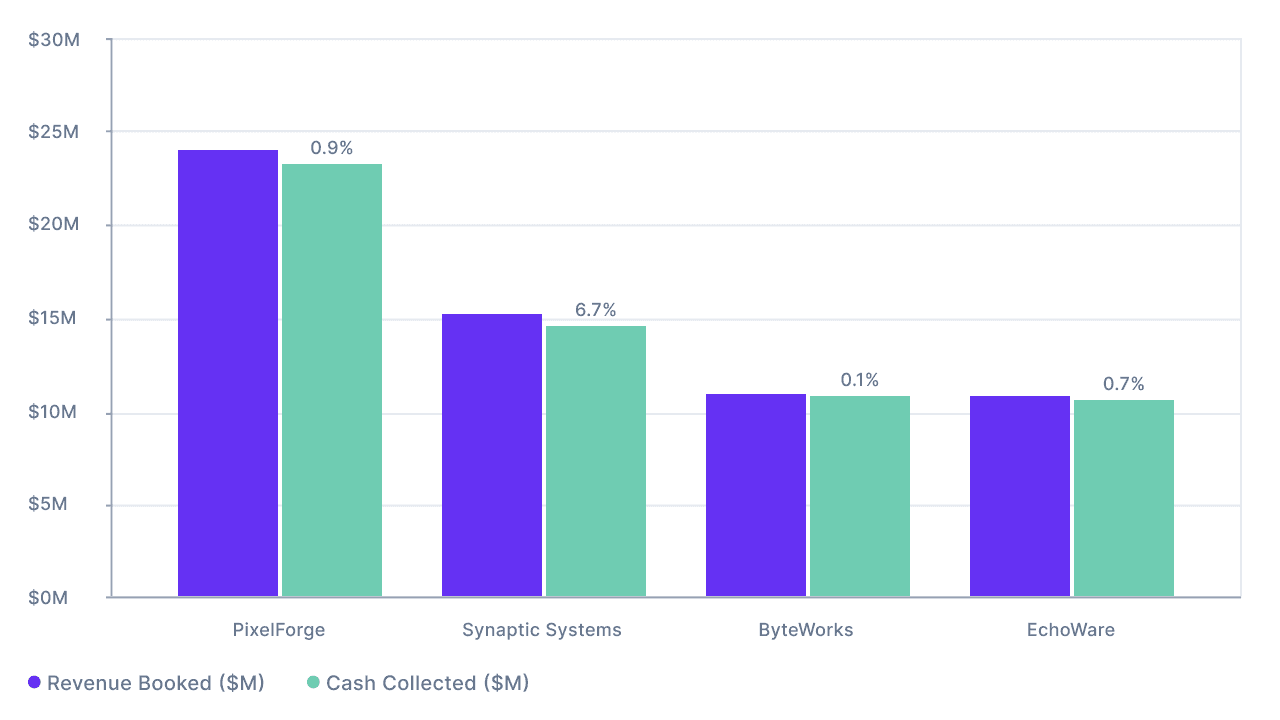
Your booked revenue and collected cash don't match, but no one can tell you exactly where the gap is.
Credit memos are rising, and reason codes are inconsistent or missing.
DSO varies significantly across regions or entities, and no one can explain why.
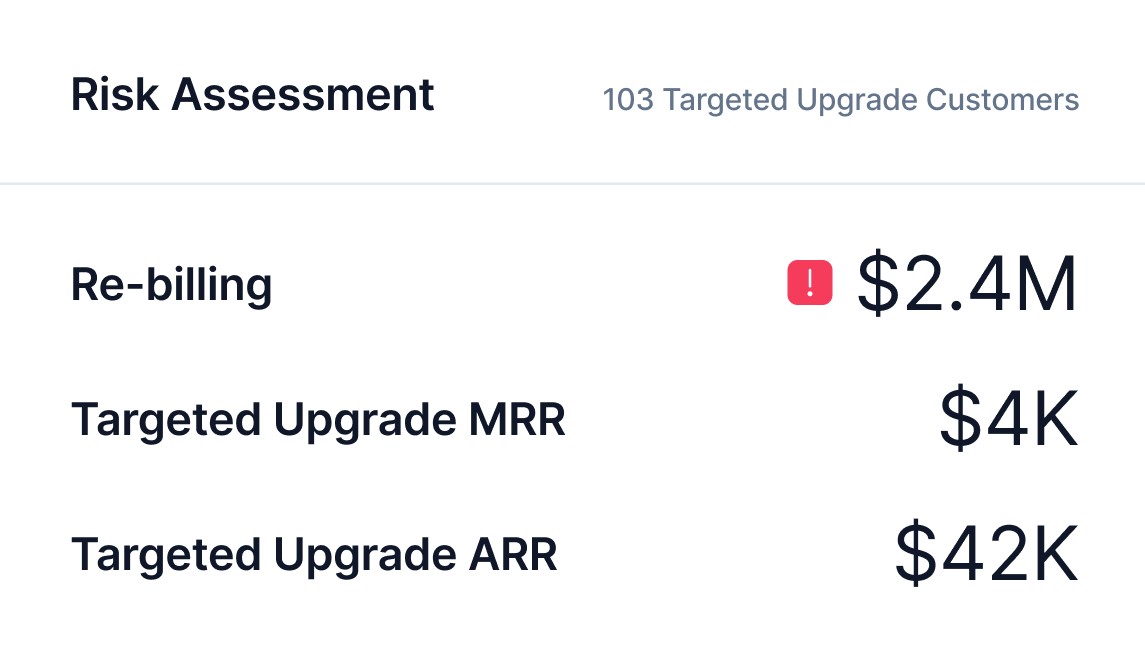
Multi-year contracts with uplift clauses exist, but you're not confident they're all billing correctly.
Your monthly close catches big variances, but the same small discrepancies keep recurring.
Invoicing takes longer than it should, but you can't pinpoint which step in the process is causing the delay.
AR aging is trending in the wrong direction, and the root cause feels more like process than customers.
One or two of these is normal. If several sound familiar, the problem isn't in any single system. It's in the gaps between them.


Your finance team catches the big misses — but the small ones compound
Monthly close, ERP reporting, and BI dashboards all play a role. But none of them trace the full revenue path from contract to invoice to collected cash at the level of detail where leakage and cash drag actually live.
Monthly reconciliation catches large variances. It doesn't catch systematic underbilling on specific product lines or uplift clauses that triggered at the wrong rate across hundreds of contracts.
ERP records what it's told. If a contract amendment didn't make it into billing accurately, the system reflects the error as fact.
BI dashboards show cash performance in aggregate. They can't tell you which process step is responsible for the lag or which entity is creating the most drag.
Consultant-led analyses can answer a specific question, but the findings go stale and the analysis doesn't carry forward into the next quarter.
The tools work as they were designed to. None of them were designed to reconcile the full path from booked to billed to paid at the line-item level.
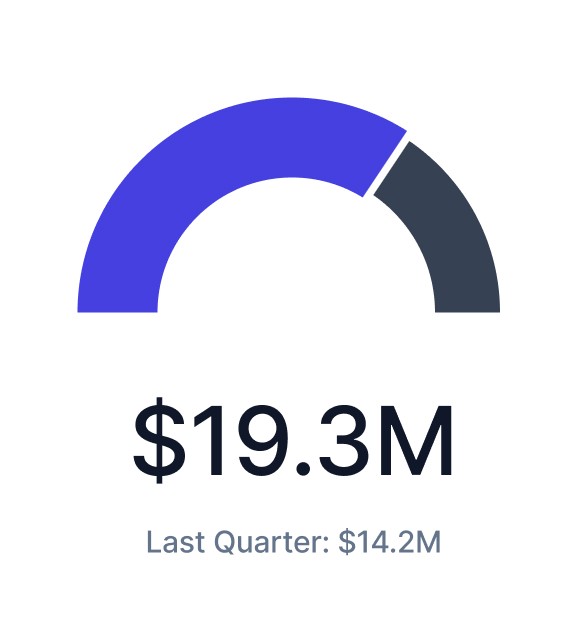
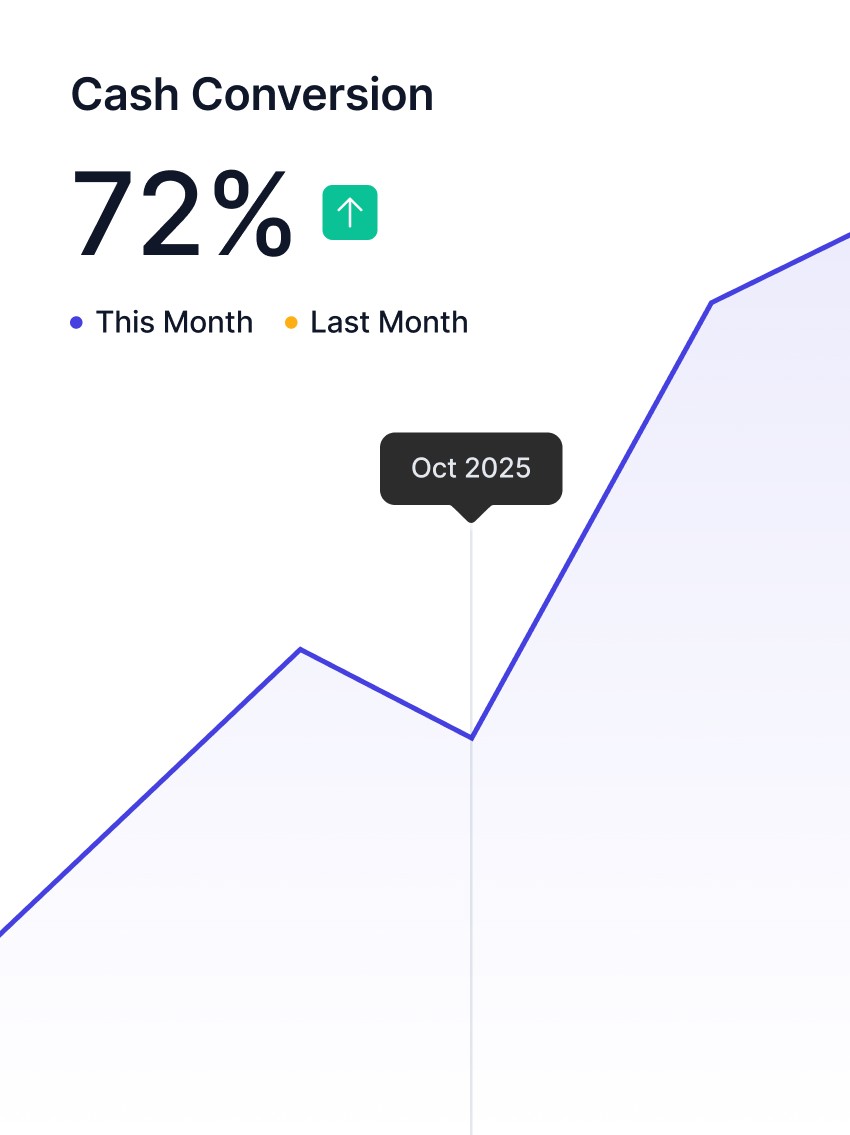
Trace every dollar from contract to cash.
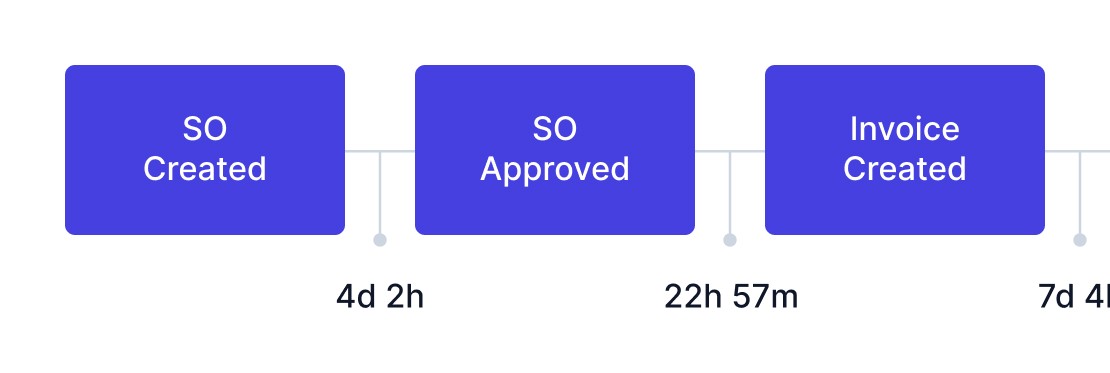
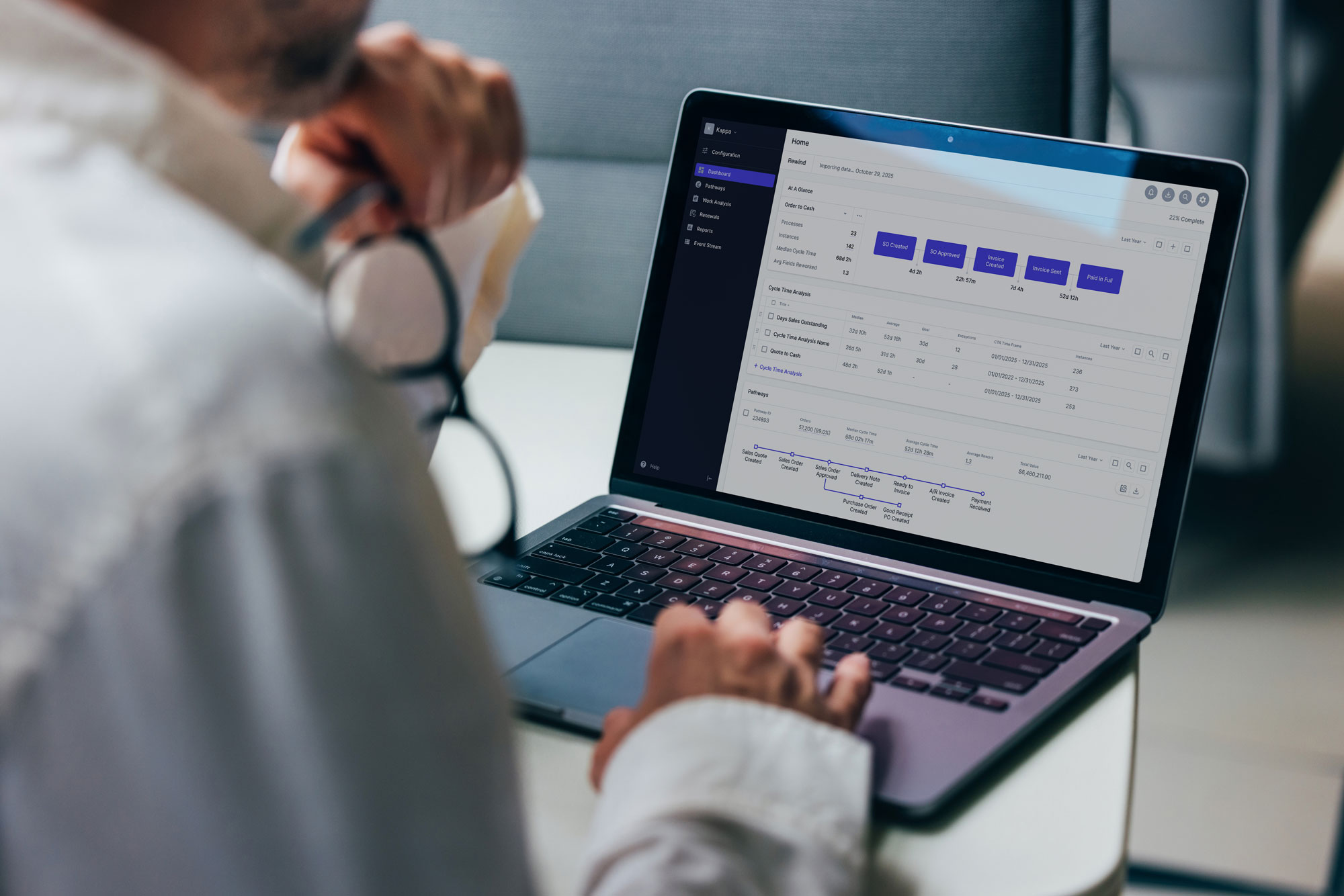
Chassi models the full revenue path from your CRM and ERP, reconciling booked-to-billed-to-paid at the line-item level and mapping every step in O2C and P2P. The result is a quantified view of where revenue leaks, where cash gets stuck, and which fixes have the highest financial impact.
Reconciles contracts, invoices, and payments at the line-item level to size leakage by product, segment, and terms.
Maps every step in the order-to-cash and procure-to-pay process to identify where cycle time drag and bottlenecks trap working capital.
Ranks every finding by financial impact so your team knows where to act first.
Delivers a DSO Simulator that ties specific process improvements to measurable cash outcomes.
Built from your data as it exists today. Findings in days. Read-only connections. No cleanup, no system changes, and minimal lift from your team.
When the problem is revenue not making it to cash…
Your CRM and ERP both have revenue data. The problem is they don't agree, and the variance hides in contract amendments, missed uplifts, unbilled items, and credit memo patterns that no one catches at the line-item level. Revenue Leakage reconciles booked, billed, and paid across every entity and delivers a prioritized recovery plan sized by product, segment, and terms.
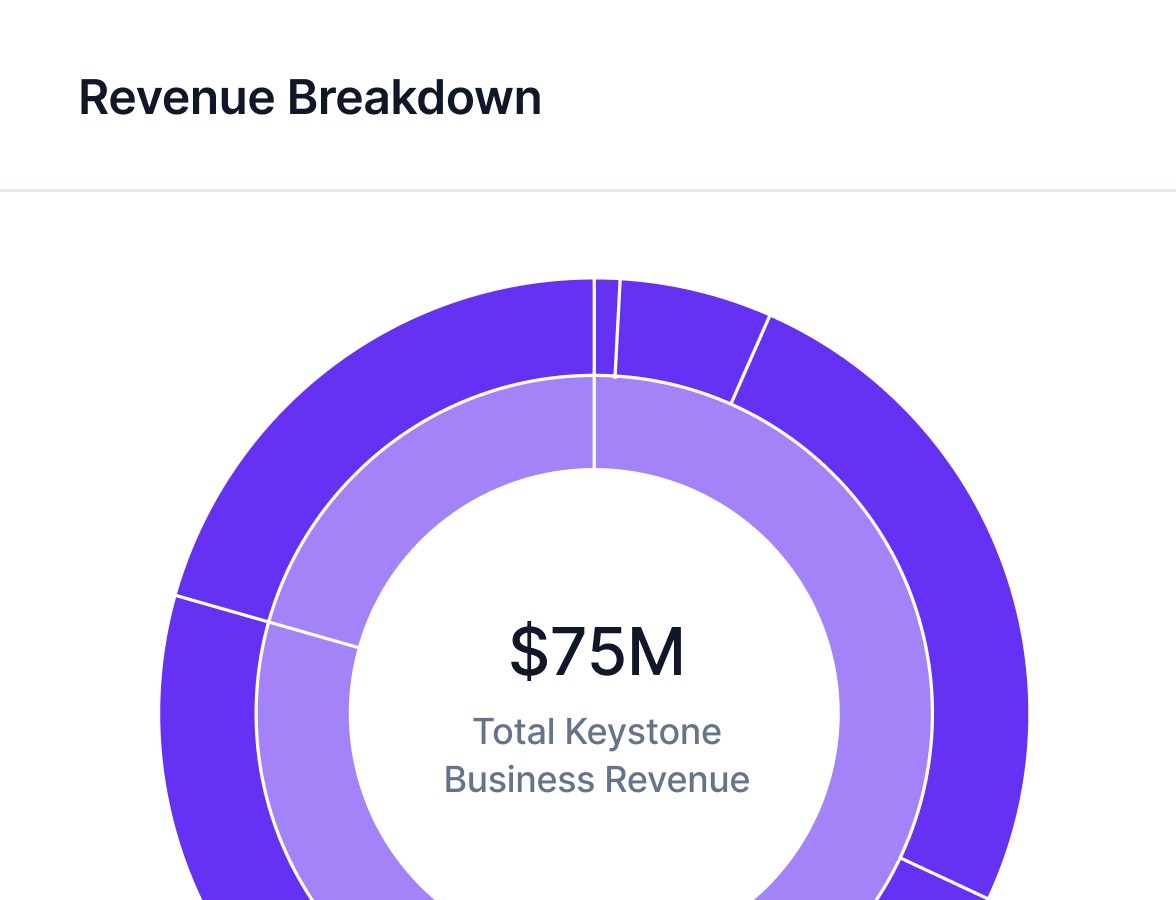
When the problem is cash trapped in your processes…
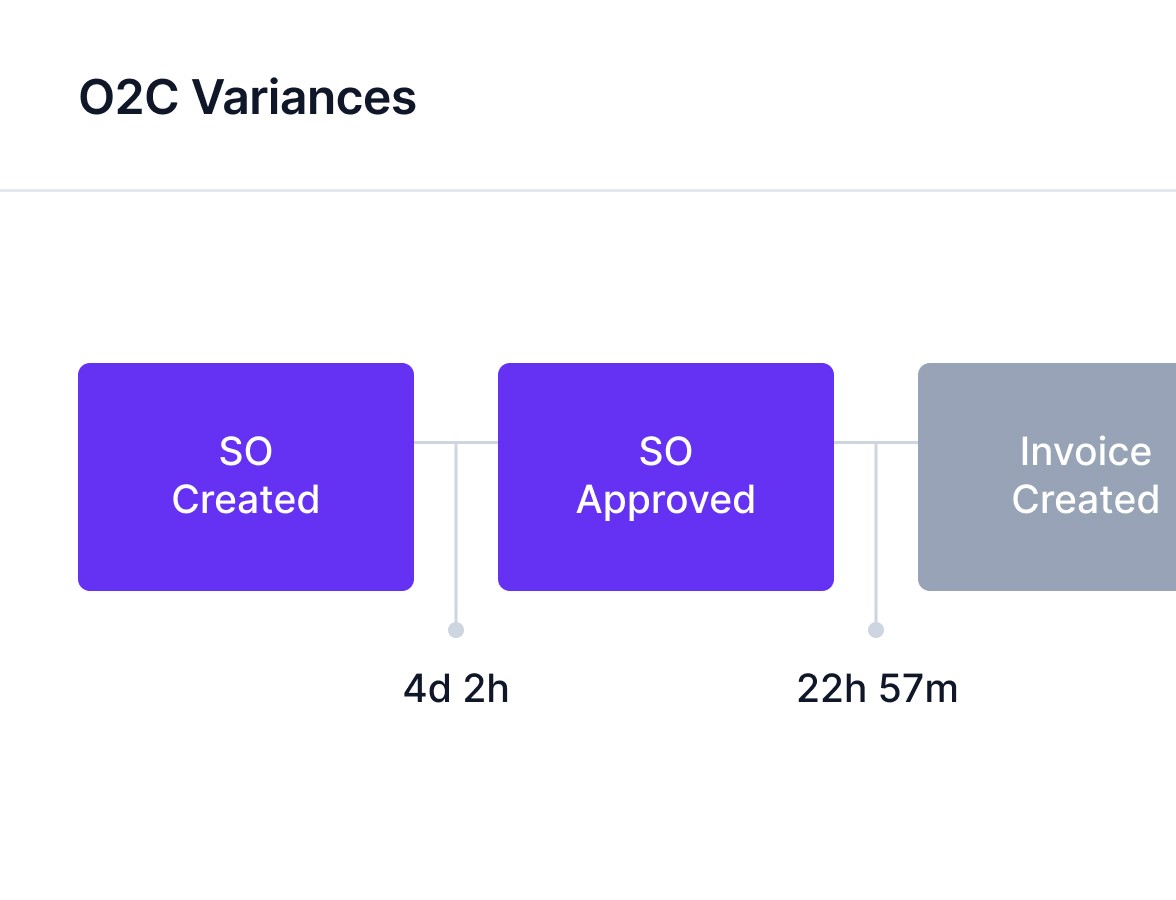
Invoicing lags, approval bottlenecks, and payment timing drift are invisible without step-level process visibility. Working Capital maps every step in O2C and P2P, models the cash impact of specific improvements through a DSO Simulator, and ranks findings by how much cash they free up.

"Chassi gives us a level of transparency into top-line performance that was previously inaccessible or painfully tedious to produce."
Ryan Mason
CFO, Trackforce
What Chassi surfaces across the revenue path
Across 40+ deployments, Chassi has identified the following per $100M in ARR:
$2.2M in preventable revenue leakage
$6.5M in free cash flow opportunities
We already reconcile monthly. Why would we need this?
Monthly close catches large variances. What it misses are pattern-level gaps — systematic underbilling on specific product lines, uplift clauses triggering at the wrong rate, or credit memos that look clean in aggregate but point to a policy problem underneath. Those are the gaps that compound over quarters and years.
What if we don't know whether the problem is leakage or cash conversion?
That's common. Both solutions trace to the same revenue path, so starting with either one will surface signals that point to the other. Your Chassi team can help determine which entry point makes the most sense based on what you're seeing.
Our data is messy. Do we need to clean it up before starting?
No. Chassi works with the data as it exists today. Exception tables and a data quality fix list are part of what gets delivered.
See what's hiding in the gap between booked and collected
Walk through the platform and see how Chassi traces every dollar from contract to cash.