
The same blind spots that hurt acquisition are hiding retention risk
Growth and retention are managed as separate problems in separate systems. But the signals behind both live in the same disconnected places. But they're managed by different teams in different tools.
New logo performance
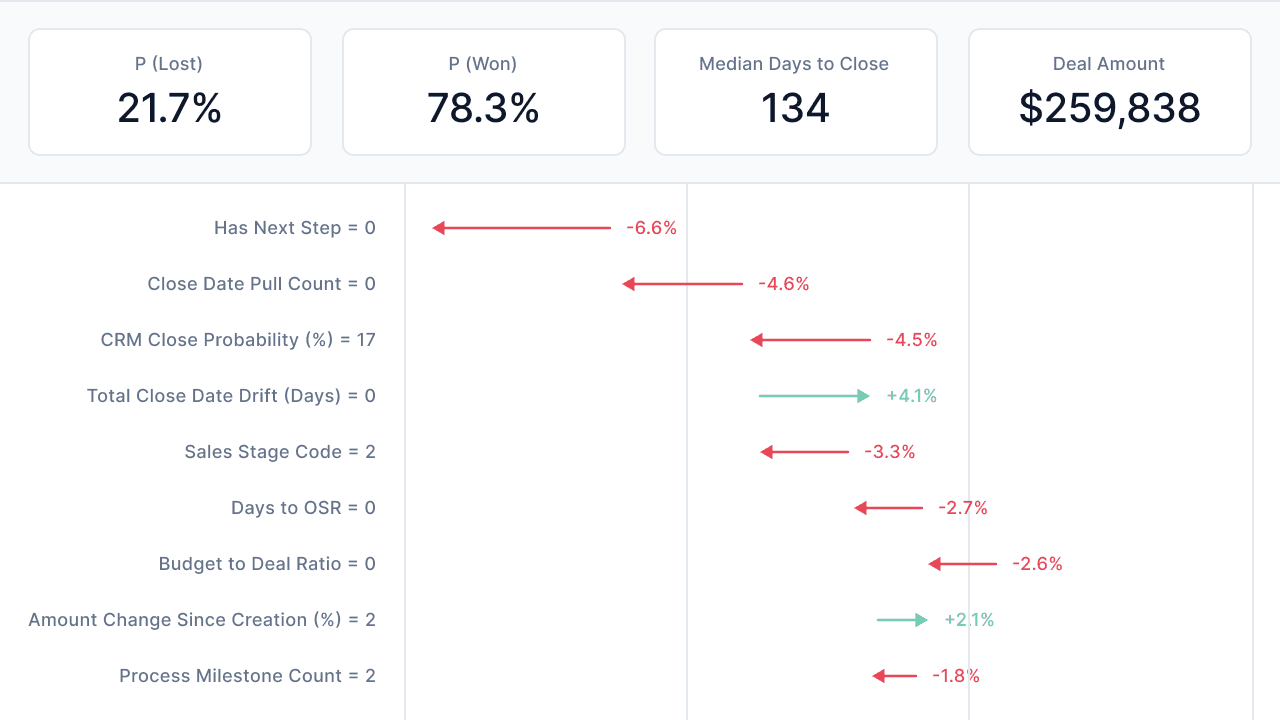
Pipeline coverage looks adequate on paper, but bookings keep missing, and no one can pinpoint why.
Conversion rates between stages aren't tracked consistently, so pipeline reviews focus on activity instead of velocity and quality.
Win rates are shifting as the business moves up or down market, but there's no segmented data to show which motions are working and which are stalling.
Marketing spend is hard to validate because there's no clean line from lead source to closed deal to retained revenue.
Customer retention and expansion
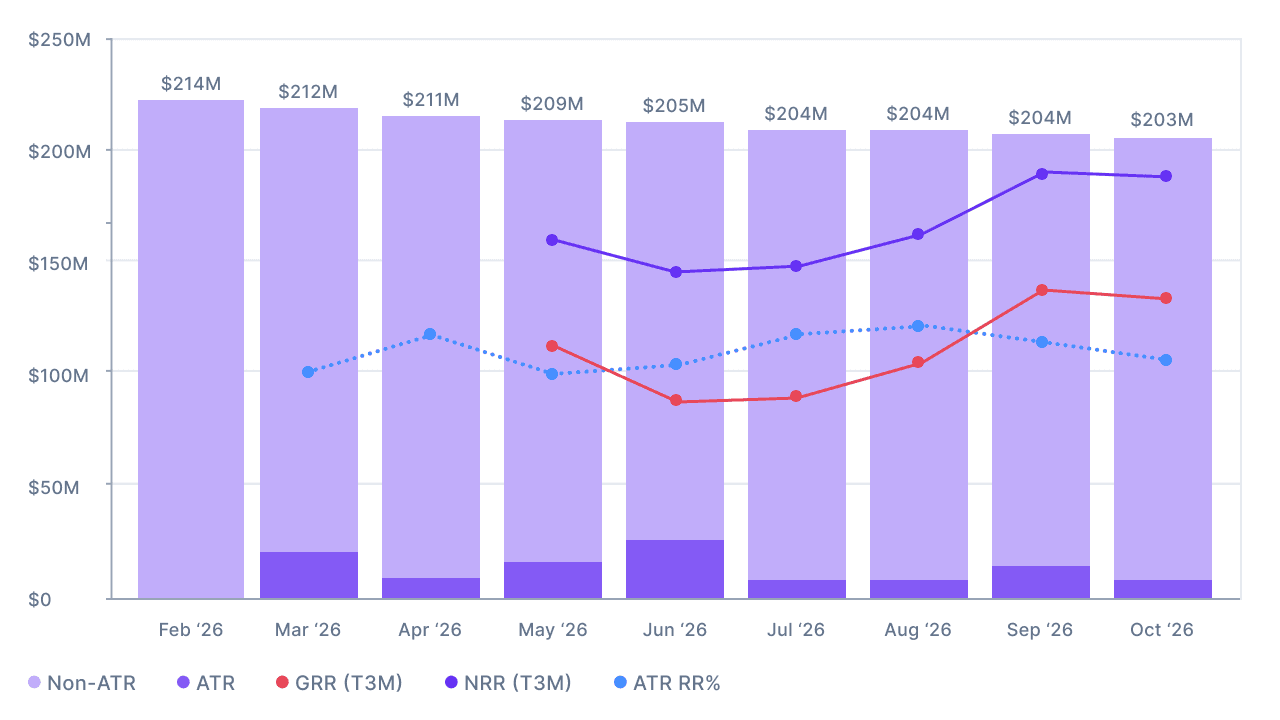
Churn shows up in the forecast. The signals that predicted it showed up months earlier in systems nobody connected.
At-risk accounts are flagged based on CSM judgment, not data, so save plays start too late and target the wrong customers.
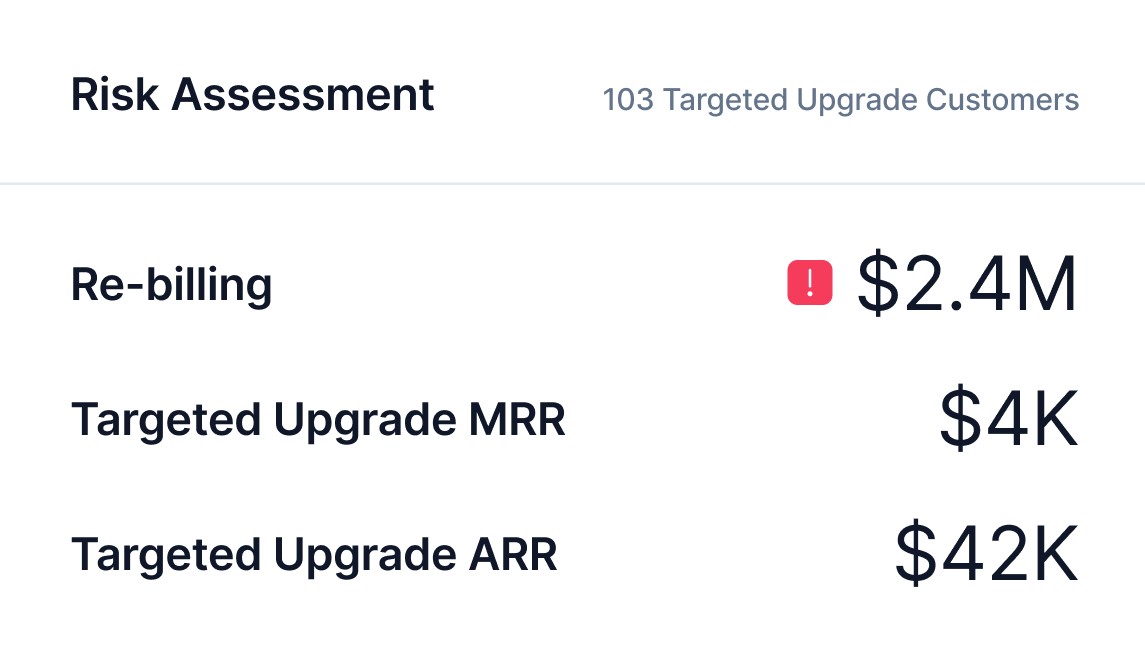
Expansion opportunities sit untouched because no one has a ranked view of which accounts are ready to grow and which products to lead with.
Renewal forecasts outside the current quarter are unreliable because retention data lives in CS tools that don't connect to billing or financial outcomes.

How do you know you have a growth and retention problem?
These are the signals that growth and retention problems are deeper than the surface metrics suggest. How many resonate?
Your churn rate is within target, but you can't tell which segments are propping up the average.
Pipeline coverage looks healthy, but win rates are declining quarter over quarter.
CSMs are flagging risk based on relationships, not data tied to financial outcomes.
ICP exists on paper, but it was built on who closed, not who stayed and expanded.
Renewal forecasts outside the current quarter are a best guess.
Expansion opportunities surface reactively instead of from a ranked, data-driven view.
Marketing can show lead volume, but can't connect it to revenue that actually retains.
Sales cycle times are stretching, and no one can explain where the bottleneck is.
One or two of these is normal. If you're seeing most of them, the problem is visibility, not execution.
Your tools track growth and retention separately. That's the problem.
Most teams have invested heavily in tools that manage pieces of the growth and retention puzzle. But none of them connect the full picture from pipeline to customer to revenue.
CRM tracks deals through the funnel but can't tell you whether the customers you're closing are the ones who retain and expand
CS platforms generate health scores based on product usage and activity, but those scores don't connect to billing data or financial risk
Marketing attribution stops at the closed deal. Whether that deal produced durable revenue is a question no one's tool can answer
Forecasting models pull from CRM data that reflects what reps entered, not what's actually converting, retaining, or expanding
Each tool does its job. None of them does the job of connecting acquisition quality to retention outcomes to revenue durability.

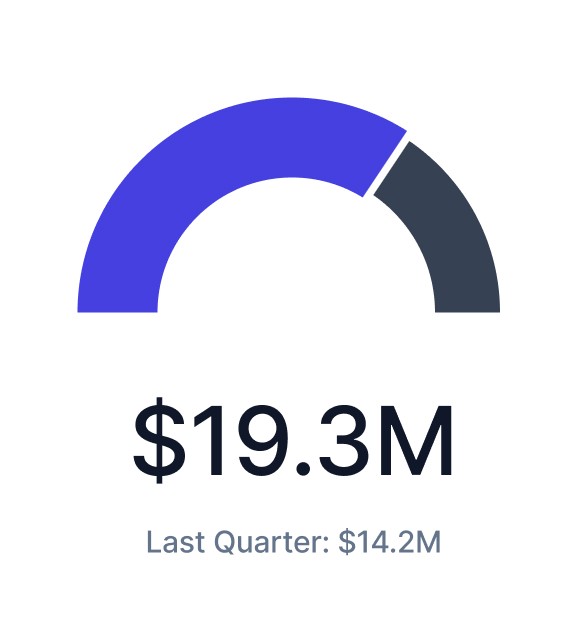
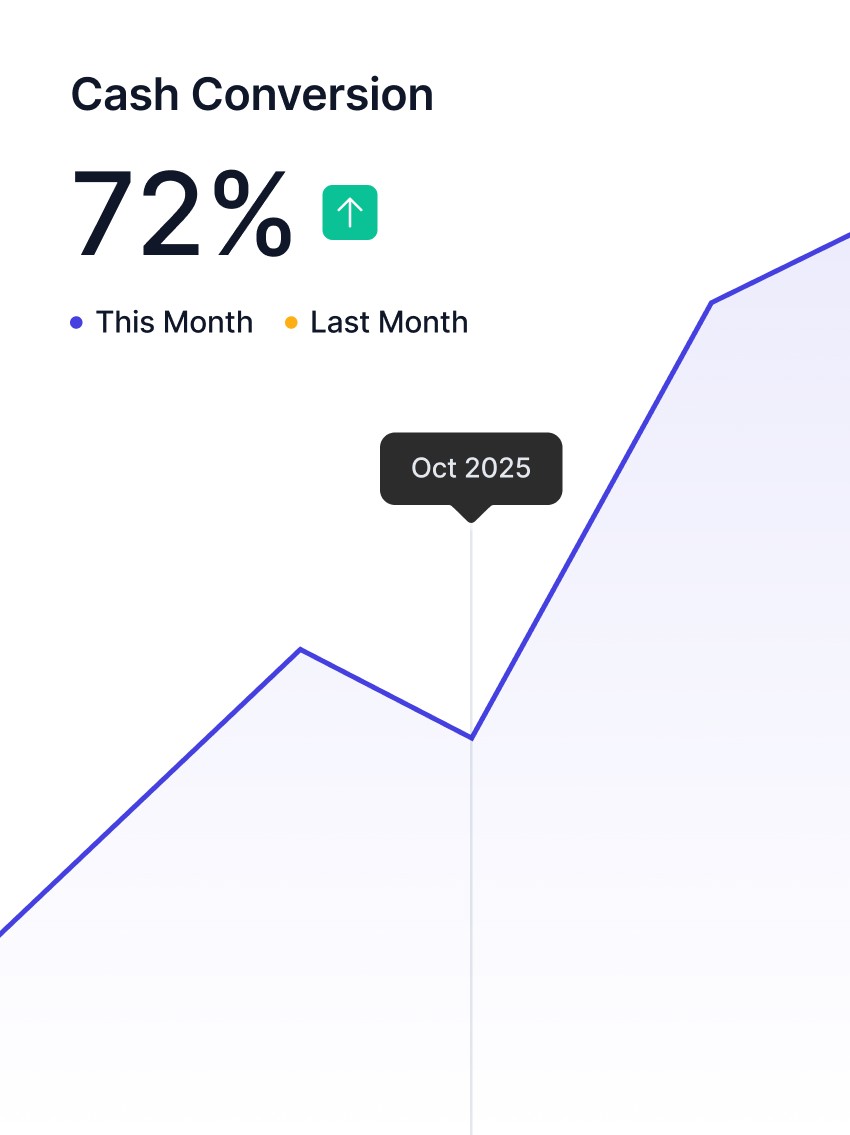
Connect the full customer journey. From lead to renewal to revenue.
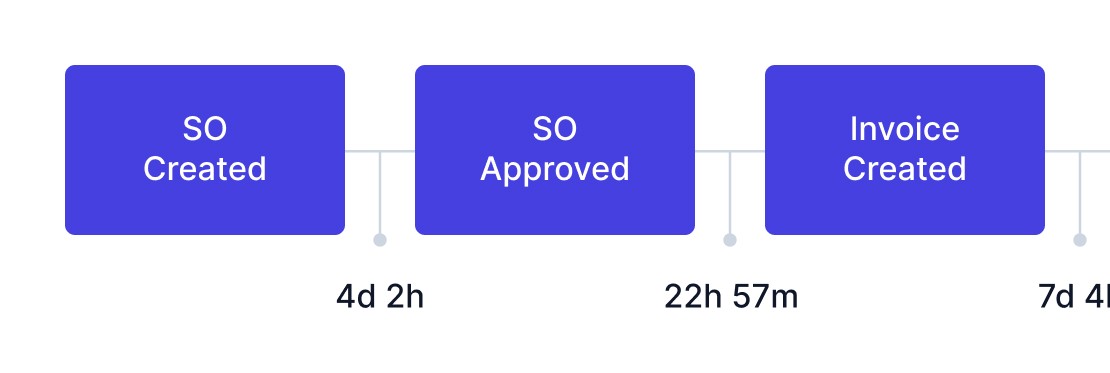
Chassi models the full path from acquisition through retention by connecting CRM, ERP, and product usage data into a single operating view. The result is a clear picture of which customers you should be acquiring, which you're at risk of losing, and where revenue quality is actually trending.
Links pipeline performance to downstream retention, so you can see whether the customers you're closing are the ones who stay and grow.
Predicts churn and expansion at the account level using financial and behavioral signals, not qualitative health scores.
Validates ICP against who actually retained, expanded, and produced durable NRR, not just who converted.
Connects marketing spend to revenue outcomes that persist beyond the initial close.
Built from your data as it exists today. Findings in days. No cleanup, no system changes, and minimal lift from your team.
When the problem is retention and expansion…
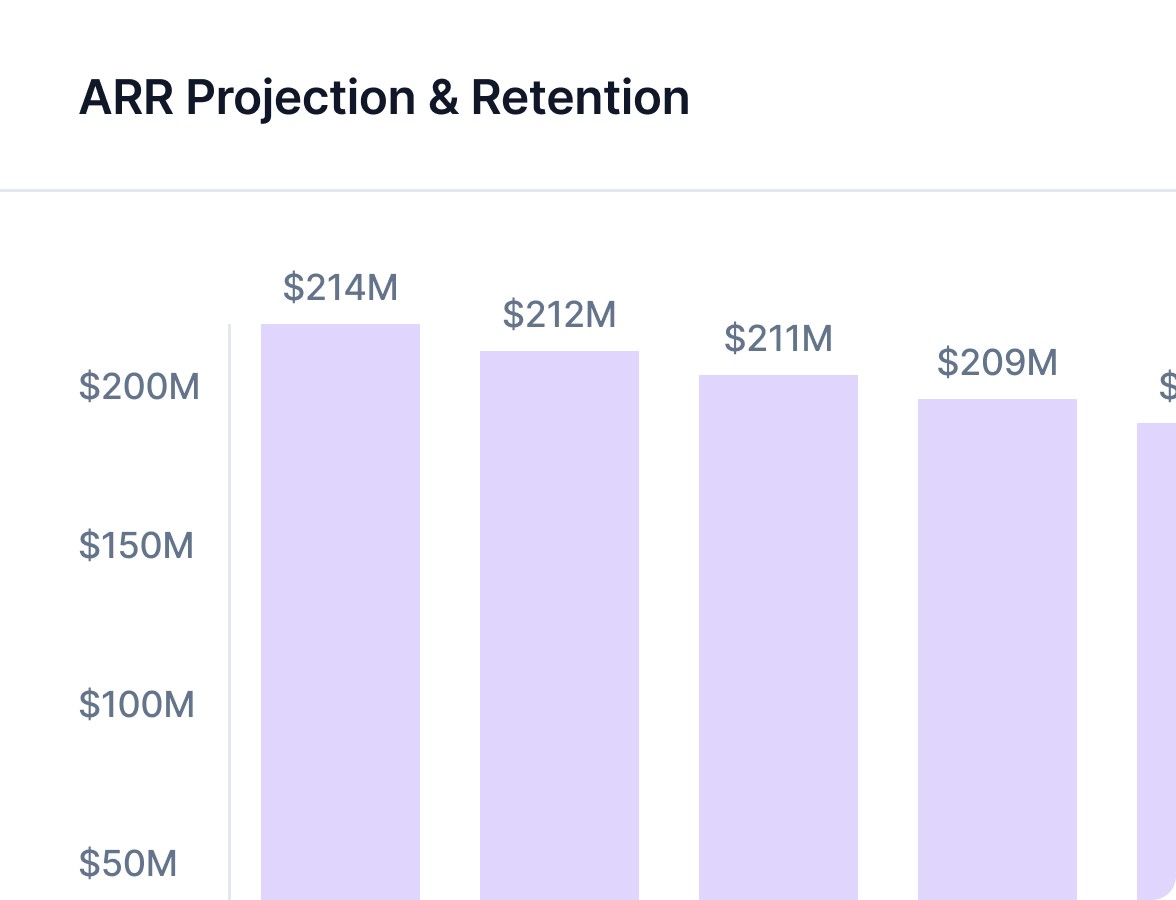
Churn keeps surprising your team because risk signals are qualitative, scattered, and disconnected from financial data. Customer Analytics predicts churn and expansion at the account level by modeling the full customer journey across CRM, ERP, and product usage. You get a ranked view of where to protect revenue, where to grow it, and an ICP validated against who actually stayed and expanded.
When the problem is pipeline and new logo performance…
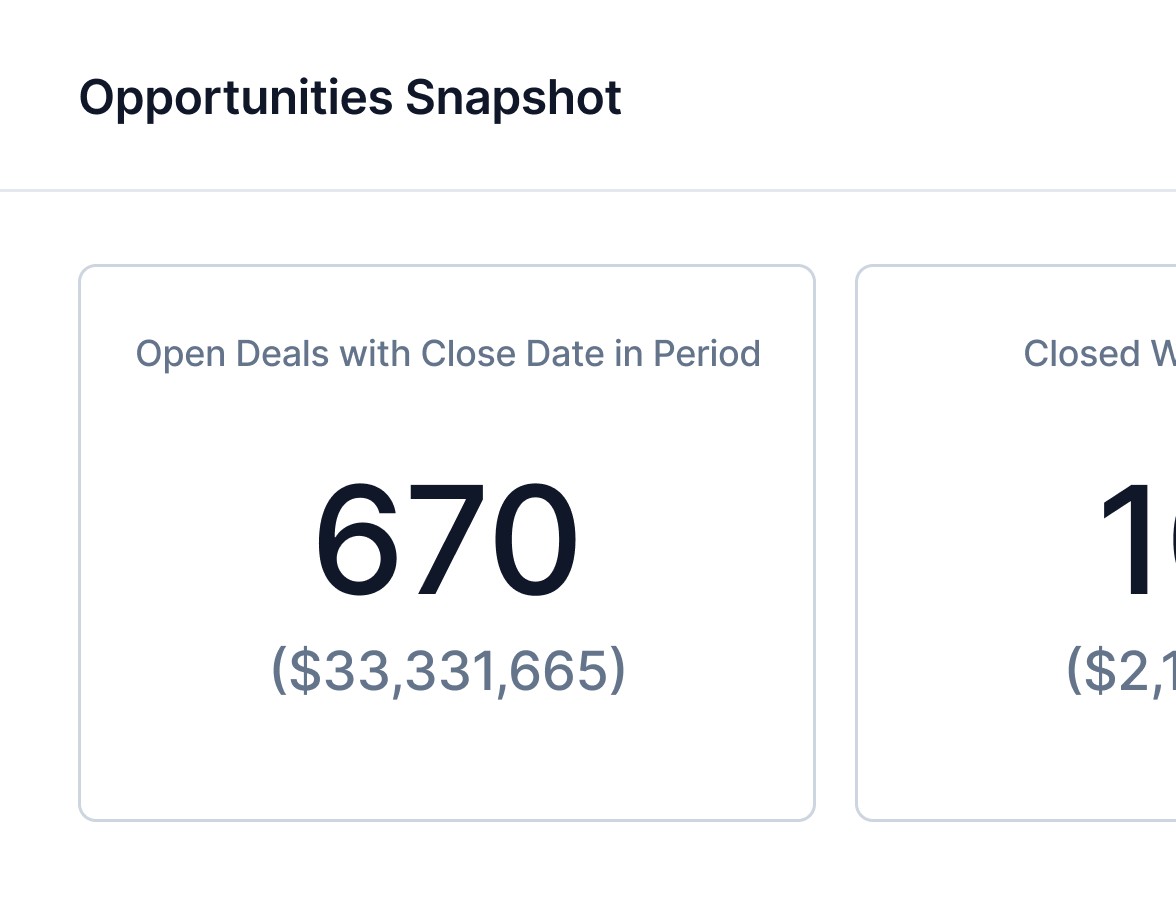
Bookings are missing target but pipeline coverage looks fine. The gap is in your conversion data. Pipeline Velocity tracks stage-to-stage movement segmented by business unit, rep, and industry, so you can see where deals stall, which segments convert fastest, and where to focus resources before the quarter closes.


"Chassi gives us a level of transparency into top-line performance that was previously inaccessible or painfully tedious to produce."
Ryan Mason
CFO, Trackforce
What Chassi surfaces across growth and retention
Across 40+ deployments, Chassi has identified the following per $100M in ARR:
20–25% of customers flagged as at risk of churn
30–40% of customers showing clear expansion potential
Conversion rate improvements of 5–15% on closed-won deals
CAC reduction of up to 15%
Improvement on return on marketing yield of up to 10%
These findings are based on direct analysis of operational data. No manual input. No guesswork.
How is this different from our CS platform?
CS platforms track activity and surface health scores. They don't connect those signals to billing data, financial risk, or acquisition quality. Chassi models the full journey from lead through renewal to revenue, so you see why customers are at risk, not just that they are.
What if we only have a new logo problem, not a retention problem?
They're rarely separate. Pipeline quality directly affects retention. If you're closing the wrong customers, churn follows. Pipeline Velocity will surface conversion and quality issues, but the findings often point to retention patterns that Customer Analytics can then address.
What if we only have a retention problem?
Start with Customer Analytics. But most teams that believe they have a pure retention problem discover acquisition quality issues once the data is connected. Customer Analytics validates ICP against retention and expansion data, which often reframes how you think about pipeline.
Our data is fragmented across systems. Can we still do this?
Fragmentation is the starting condition, not a blocker. Chassi connects to your systems of record with read-only connections and works with the data as it exists. Exception tables and data quality findings are part of what gets delivered.
How much time does this take from our team?
Four to eight hours over the course of the engagement. Primarily access provisioning and a findings review. No ongoing lift during the engagement itself.
See which side of the revenue equation needs attention first
Walk through the platform and see how Chassi connects pipeline, retention, and revenue quality into one operating view.