

Forecasts built on unreconciled data inherit every error in it
The pipeline lives in CRMs. Contract terms live in repositories. Billing schedules and payment history live in ERPs and billing systems. When the forecast is assembled from those pieces in a spreadsheet, a stage definition, a missed amendment, or a late-paying segment can move the number without anyone seeing why.
What that looks like in practice:
Forecast accuracy drops sharply beyond the current quarter
Bookings forecasts don't translate cleanly into revenue or cash timing
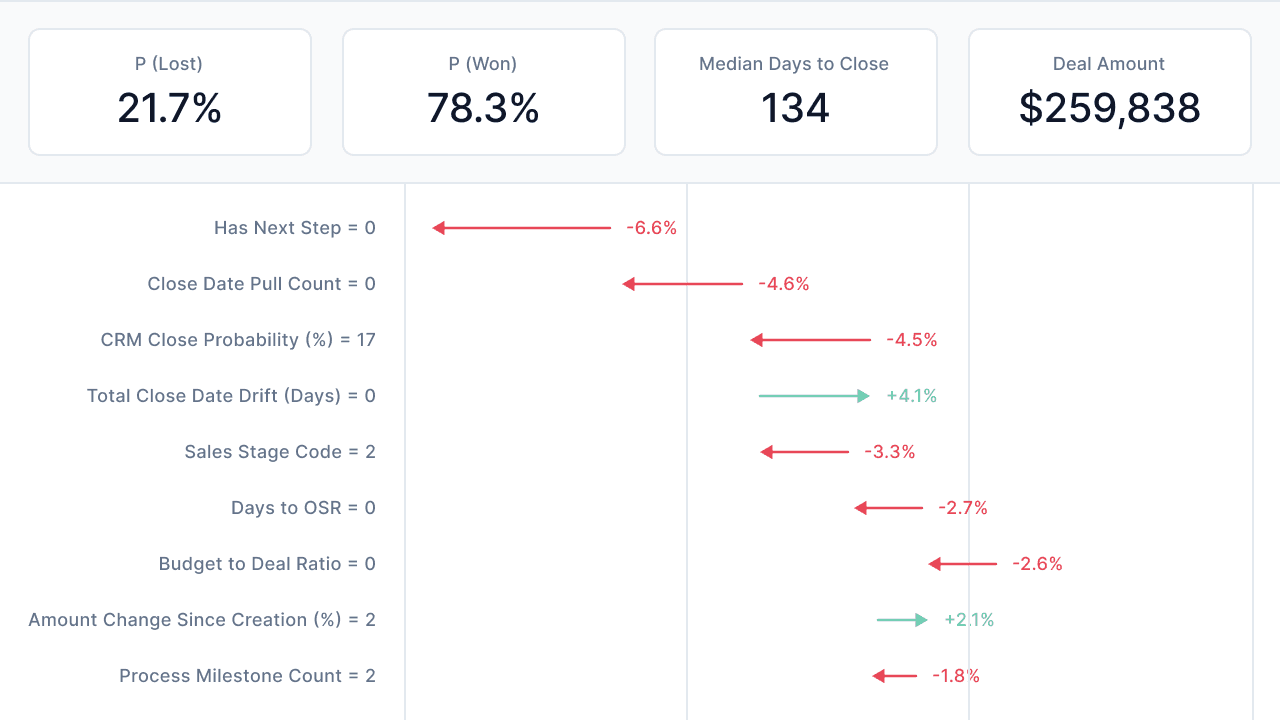
Win-rate and stage-conversion changes can't be traced to a segment, rep, or deal type
Churn and renewal risk reach the forecast after the customer has already decided
Board and lender questions about the outlook get answered with backward-looking numbers
Chassi forecasts bookings, revenue and cash from the same reconciled data set, so each forecast connects to the one before it

How it works
Three steps from reconciled history to a forecast the board can question.
Start from the Customer Cube
The forecast runs on reconciled customer data: what was contracted, billed, and paid, by customer. Product usage and support data are added where available.
Model four connected forecasts
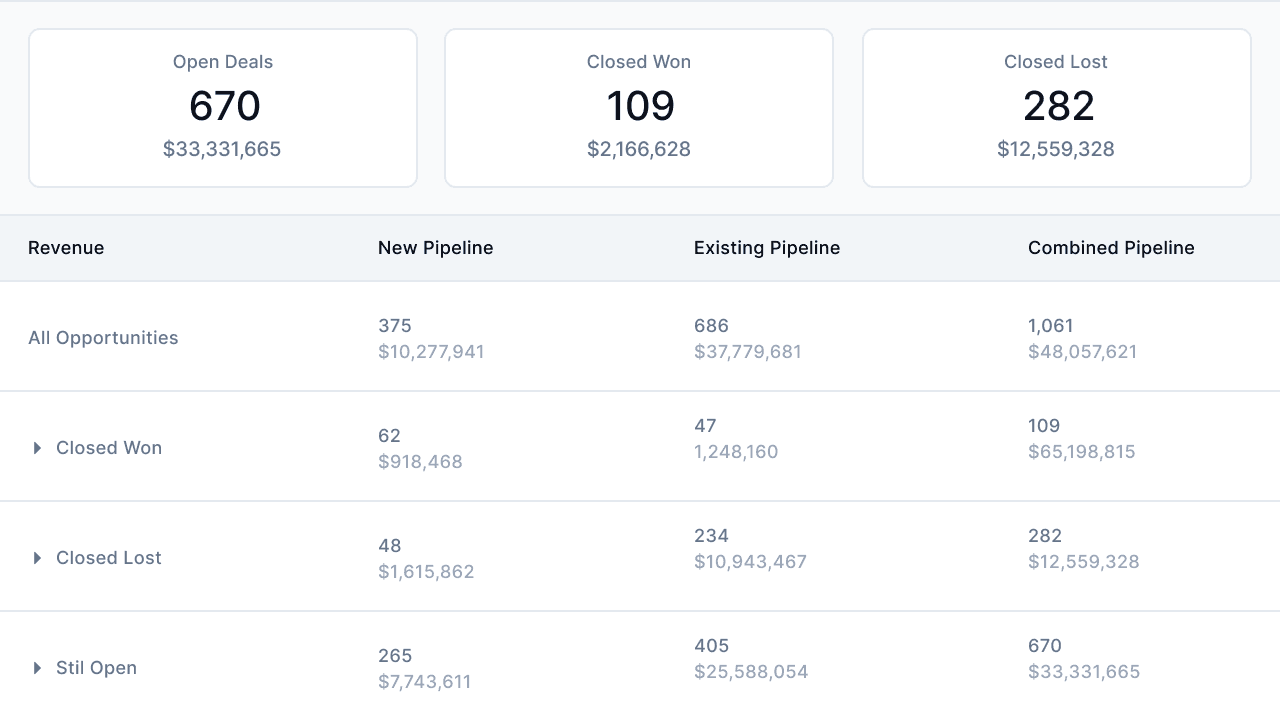
Bookings Forecast: a weighted pipeline view built from stage conversion by segment, rep, and deal size.
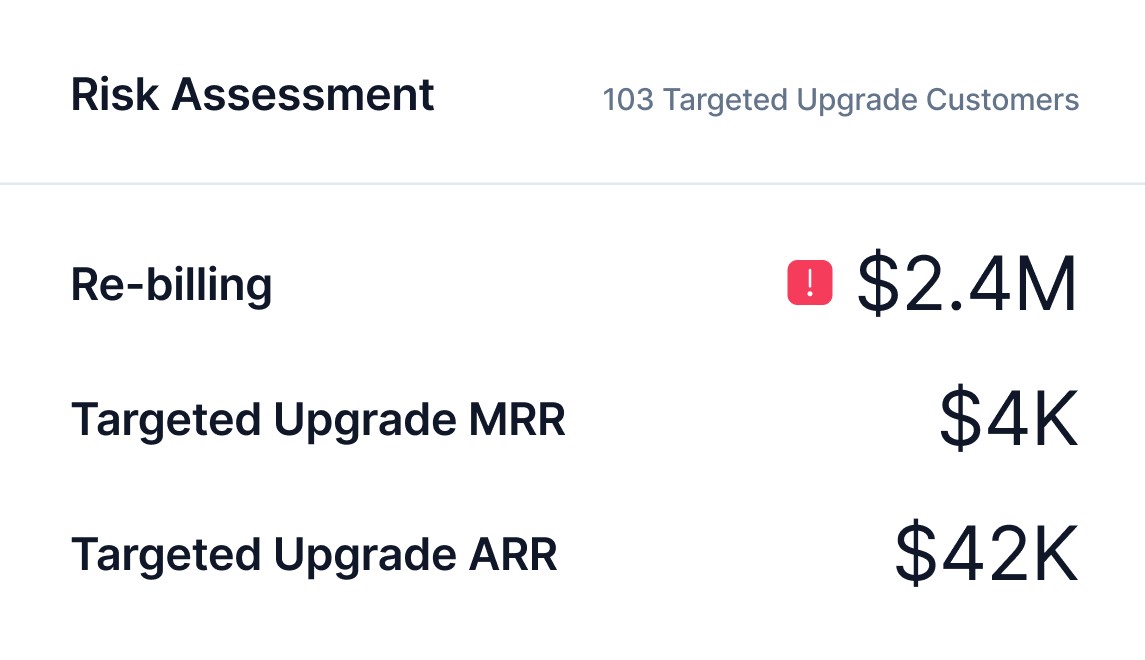
Retention Forecast: churn risk and expansion fit scored for every customer, with the signals behind each score. SaaS companies see churn, NRR, and GRR. Other models see lost customers, revenue retention, and renewal rate.
Revenue Forecast: how pipeline, existing contracts, and expected retention convert to recognized revenue.
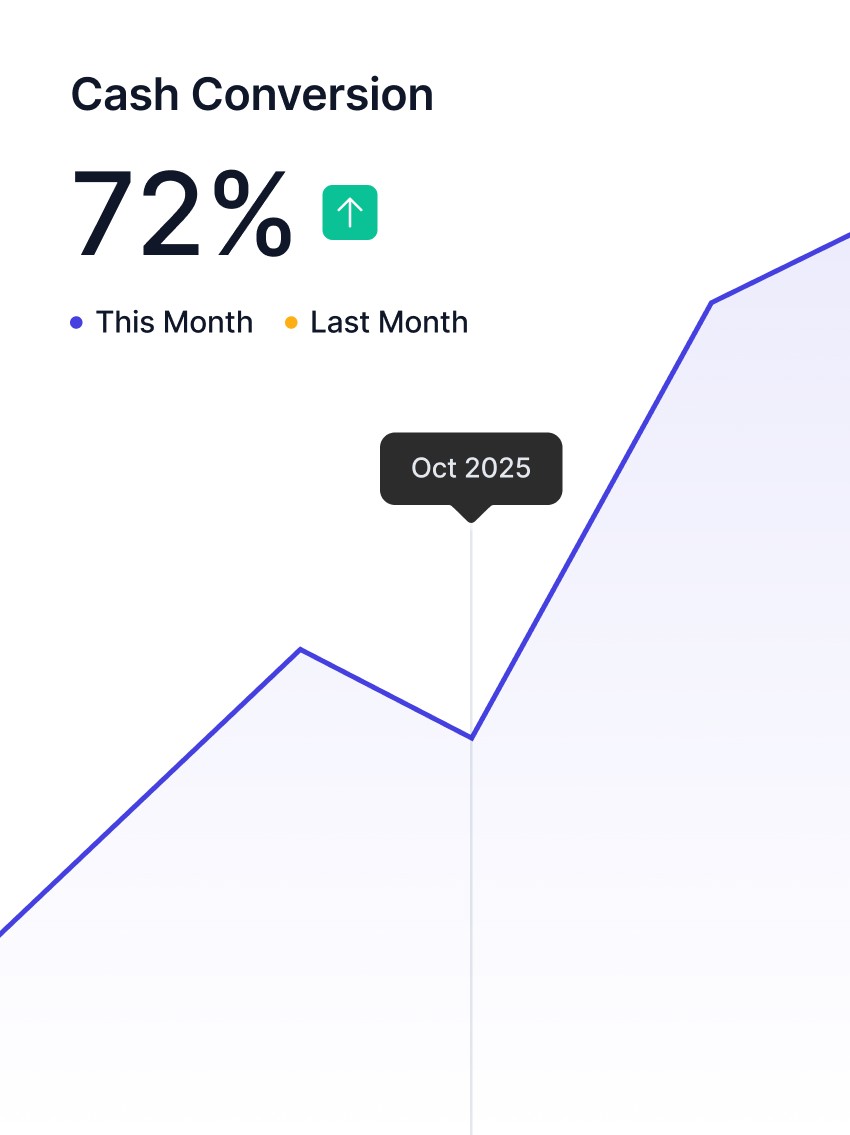
Cash Collection Forecast: the company-level cash outlook that follows from bookings and revenue. Customer-level collections forecasting lives in Working Capital Intelligence
Review, adjust, and present
Trended conversion and forecast accuracy over time, with drill-down to the opportunity and contract level.
First material findings in 3–4 weeks.
What lands on your desk
A weighted bookings forecast by segment, rep, and deal size
Stage-to-stage conversion rates, trended over time
Churn risk and expansion fit by customer and channel, with the reasons behind each score
A revenue forecast tied to pipeline, existing contracts, and expected retention
A cash forecast tied to contract terms and payment history
Forecast-versus-actual tracking, so accuracy is measured
What your team can do with it
Commit to a bookings number with the drivers in view
See which stages, segments, or reps are moving the forecast
Reach at-risk customers before renewal, and hand Sales a ranked expansion list
Present a forward view the board can question without the number moving
Plan hiring and spend against a cash outlook that connects
Show the board forecast accuracy, quarter over quarter
Real-world impact
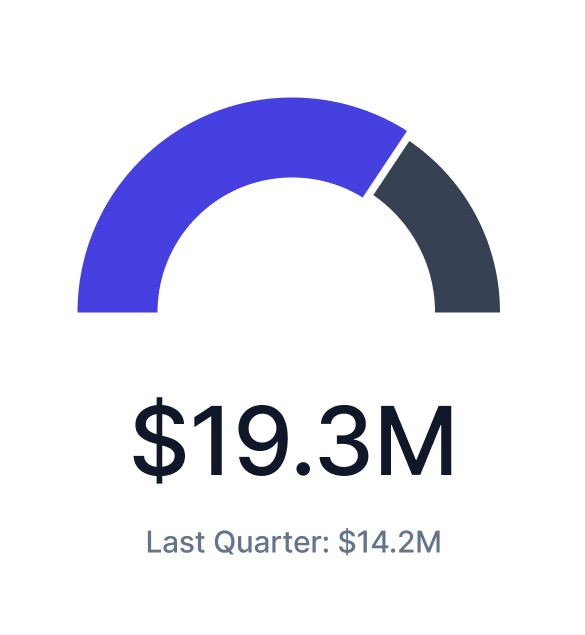
A PE-backed SaaS business used Chassi to forecast churn by customer, identify at-risk revenue, and prioritize expansion accounts.
$13.9M ARR protected
19% churn hit prevented
50 accounts prioritized for expansion
$700K ARR uncovered


We already forecast in our CRM and FP&A model. What does this add?
CRM forecasts reflect what reps enter. FP&A models reflect what finance can assemble. Chassi connects pipeline, contract terms, and payment history at the customer level, so bookings, revenue, and cash come from one data set.
How is this connected to the Customer Cube?
The Revenue Forecast runs on the Cube. Reconciled history is what makes the forward view defensible.
We already have a CS platform with health scores. What does this add?
Health scores track activity. The Retention Forecast scores churn risk from reconciled contract, billing, and payment data alongside usage and support signals, and shows the reasons behind each score at the customer level.
Our churn rate looks healthy. Is a retention forecast still worth it?
An overall churn rate can hold steady while one segment deteriorates. The Retention Forecast breaks churn out by product, channel, and contract terms, so a declining segment shows up before it moves the total.
Can this inform our ICP?
Yes. The Retention Forecast shows which segments, products, and terms renew and expand, so the ICP can be built from the customers who stayed and grew.
Our CRM data is inconsistent. Will that be a problem?
No. Setup surfaces where CRM data is incomplete or inconsistent, and that view is useful input for a sales ops cleanup. You don't need clean data to start.
How does this connect to the exit story?
Buyers test the forecast against history. A forecast built on reconciled customer data, with conversion trends by segment, is easier to defend in diligence.
Can we build this in-house?
Sales ops and FP&A teams can build pieces of it. Keeping bookings, revenue, and cash connected at the customer level, and current every cycle, is the part Chassi takes on.
How far out can you forecast with confidence today?
See how a forecast built on reconciled data changes the answer.